
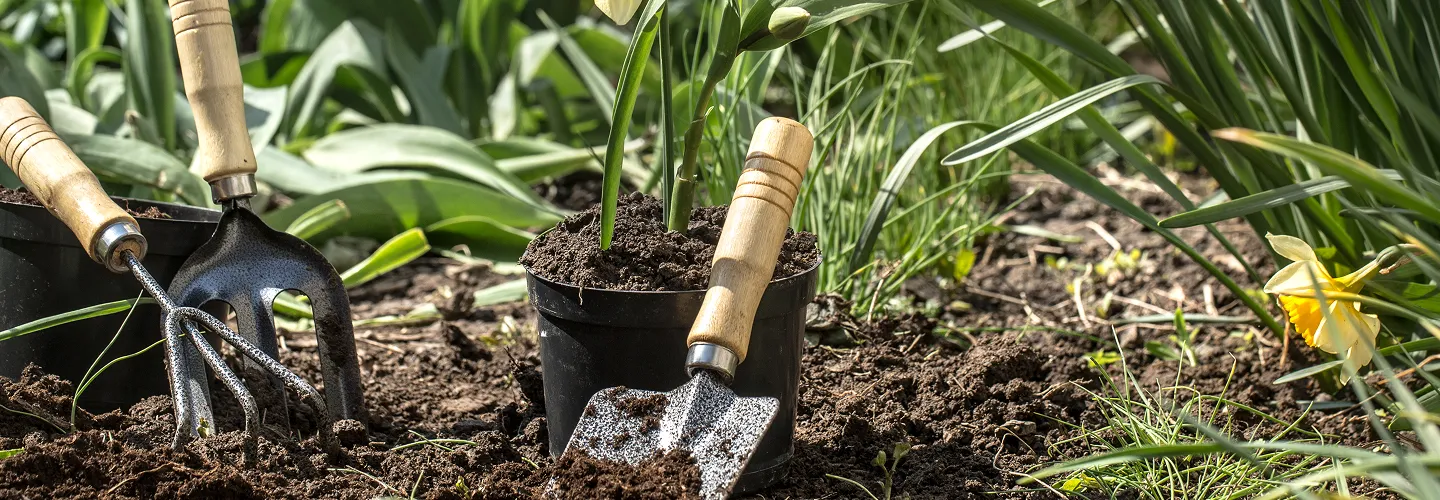
Harbour Heights Flower Planting Services
Choose our flower planting services for vibrant, healthy blooms that enhance your curb appeal and bring lasting beauty to your landscape—crafted by passionate professionals who care about every detail.
Get a Free QuoteOur Harbour Heights Landscaping & Yard Care Services
When to Schedule Flower Planting in Harbour Heights, Florida – Seasonal Guide
In Harbour Heights, Florida, timing your flower planting is crucial for vibrant, long-lasting blooms. The region’s subtropical climate means mild winters and hot, humid summers, so the best planting windows are typically late winter through early spring and again in early fall. Planting during these periods allows flowers to establish strong roots before the peak summer heat or occasional winter chills. Local neighborhoods like Deep Creek and the areas near Harbour Heights Park benefit from proximity to the Peace River, which can influence soil moisture and microclimates.
When planning your garden, consider Harbour Heights’s unique environmental factors. The area’s sandy soils drain quickly, making drought-tolerant varieties a smart choice, especially during dry spells. Shade from mature oaks in communities like Suncoast Lakes can affect which flowers thrive, while the risk of late frosts—though rare—should be monitored using resources like the Sudbury climate guide. Always check for any municipal guidelines on landscaping to ensure compliance.
Local Factors to Consider for Flower Planting in Harbour Heights
- Tree density and available sunlight in your yard
- Soil type and drainage, especially in riverside neighborhoods
- Seasonal precipitation patterns and drought risk
- Humidity levels and their impact on plant health
- Municipal restrictions or HOA guidelines on landscaping
- Proximity to landmarks like Harbour Heights Park, which may influence microclimates
Benefits of Flower Planting in Harbour Heights
Expert Landscaping Team
Customized Flower Selections
Seasonal Color Enhancements
Eco-Friendly Planting Practices
Increased Curb Appeal
Reliable Maintenance Services
Harbour Heights Flower Planting Types

Perennial Flower Beds
-
Annual Flower Displays
-
Native Wildflower Gardens
-
Seasonal Bulb Plantings
-
Pollinator-Friendly Plantings
-
Shade Garden Flowers
-
Container Flower Arrangements
Our Flower Planting Process
Site Evaluation
Soil Preparation
Flower Selection
Planting
Watering and Mulching
Why Choose Harbour Heights Landscape Services
-
Harbour Heights Homeowners Trust Us
-
Expert Lawn Maintenance
-
Reliable Scheduling
-
Competitive Pricing
-
Professional Team
-
Satisfaction Guarantee
-
Personalized Service
Coordinating Flower Planting Projects with Charlotte County Departments in Harbour Heights
Harbour Heights is an unincorporated community within Charlotte County, meaning all land-use oversight, environmental review, and public works coordination falls under county-level departments rather than a standalone municipal government. Residents and property managers planning flower planting projects—particularly those involving bed construction near rights-of-way, swales, or drainage easements—should verify site requirements through the county's development services process. Charlotte County Community Development handles planning, permitting, and land-use compliance questions that may arise when planting projects alter grading, irrigation infrastructure, or frontage appearance along county-maintained roadways.
- Confirm whether proposed planting beds encroach on county drainage swales or utility easements before breaking ground.
- Coordinate with Charlotte County Public Works if flower bed installation requires soil import, grade changes, or modifications near stormwater conveyance features.
- Review any applicable HOA or deed-restriction landscape standards that may govern plant species, bed dimensions, or frontage aesthetics in specific subdivisions.
Charlotte County Community Development
18400 Murdock Circle, Port Charlotte, FL 33948
Official Website: Charlotte County Community Development
For properties adjacent to canals or retention areas, Conservation Charlotte provides guidance on environmentally sensitive planting practices and native species selection that supports Charlotte County's broader natural resource protection goals.
Conservation Charlotte
Official Website: Conservation Charlotte
How Harbour Heights's Gulf Coast Climate and Soils Shape Flower Planting Success
Harbour Heights sits within USDA Hardiness Zone 10a, positioned along Florida's Gulf Coast corridor in southern Charlotte County. This classification, verifiable through the USDA Plant Hardiness Zone Map, means minimum winter temperatures rarely drop below 30°F, though brief cold events can damage tender tropical annuals. The area's subtropical climate delivers intense summer heat, high humidity from June through September, and a pronounced wet season that concentrates roughly 60 percent of annual rainfall between June and October.
- Sandy soils with low organic content dominate much of Harbour Heights, leading to rapid drainage and poor nutrient retention that requires amendment with compost or peat at planting time.
- High water tables in low-lying areas near canals and retention ponds can saturate root zones during the wet season, making species selection and bed elevation critical.
- Intense solar exposure on south- and west-facing beds accelerates moisture loss and can scorch shade-preferring species; reflected heat from driveways and sidewalks compounds this effect.
- Fungal pressure from sustained humidity promotes root rot and foliar diseases in densely planted beds without adequate air circulation.
Selecting heat-tolerant, humidity-adapted species—such as pentas, lantana, firebush, plumbago, and blanket flower—aligns with UF/IFAS Gardening Solutions recommendations for Florida-Friendly landscapes that reduce irrigation demand and chemical inputs.
Navigating Harbour Heights's Regulatory Framework for Flower Planting Compliance
While flower planting on private residential lots in Harbour Heights does not typically require a formal permit, several regulatory layers apply when projects involve irrigation modifications, fertilizer application, or proximity to environmentally sensitive features. Charlotte County enforces land development regulations through its Community Development department, and any site work that alters drainage patterns or encroaches on easements may trigger review through Charlotte County Public Works Engineering.
- Fertilizer applications associated with flower bed establishment must comply with Florida Statutes §403.9337, which provides the model ordinance framework for Florida-Friendly fertilizer use on urban landscapes; verify current Charlotte County fertilizer restrictions, including any seasonal blackout periods, through the county before applying.
- Any pesticide or herbicide use in flower beds by a commercial applicator requires proper licensing through the Florida Department of Agriculture and Consumer Services.
- Planting near stormwater retention ponds, canal banks, or county swales must avoid introducing soil, mulch, or chemical runoff into the conveyance system, consistent with the Florida DEP NPDES Stormwater Program.
- Properties within flood-prone zones should confirm that raised bed construction does not impede surface water flow or violate floodplain management standards.
Timing and Methods for Flower Planting in Harbour Heights's Subtropical Growing Seasons
Professional flower planting in Harbour Heights follows two primary installation windows aligned with the area's subtropical climate. The cooler dry season from October through early May is optimal for establishing warm-season annuals and perennials, as reduced rainfall lowers fungal risk and moderate temperatures support root development without extreme heat stress. A secondary planting window in early June allows heat-tolerant species to establish before peak wet-season saturation.
- Soil preparation should include tilling to a depth of six to eight inches and incorporating two to three inches of organic amendment into Harbour Heights's native sandy soils to improve moisture retention and nutrient availability.
- Irrigation coverage must be confirmed before planting; drip emitters or micro-sprinklers positioned within beds reduce water waste and keep foliage dry, following EPA WaterSense efficiency principles.
- Mulch application of two to three inches around planted flowers suppresses weeds, moderates root-zone temperatures, and reduces erosion during heavy Gulf Coast downpours—but mulch should be kept away from plant stems to prevent crown rot.
- Hydrozoning—grouping plants by water need—prevents overwatering drought-tolerant species and underwatering moisture-loving varieties within the same bed.
- Avoid planting during peak afternoon heat; morning installation reduces transplant shock and allows root systems to begin moisture uptake before intense midday sun exposure.
Charlotte County Utilities
Official Website: Charlotte County Utilities
Residents should verify current irrigation schedules and any watering restrictions through Charlotte County Utilities, as restrictions may vary by water management district directive and drought stage.
What Neighborhoods Do We Serve Throughout Harbour Heights, FL?
- Harbour Heights proper — This core census-designated area features older residential lots with mature landscaping, sandy native soils, and varied irrigation infrastructure that often requires assessment before new flower bed installation.
- South Harbour Heights — Properties closer to the Peace River corridor may encounter higher water tables and seasonal saturation, making raised bed construction and species tolerant of periodic wet conditions particularly important.
- Riverwood Estates — This planned community includes HOA-governed landscape standards that may dictate approved plant species, bed placement, and frontage appearance for flower planting projects.
- Harbour Heights along US-17 — Lots fronting the highway corridor experience elevated reflected heat and road-salt exposure from passing traffic, requiring durable species such as lantana and muhly grass borders.
- Deep Creek area — Adjacent canal systems and retention features in this nearby development zone demand careful attention to runoff prevention and buffer planting when establishing flower beds near waterway edges.
- West Harbour Heights — Larger rural-residential parcels in this area offer more flexibility for expansive planting designs but may rely on well water irrigation, requiring soil and water quality assessment before species selection.