
Harbour Heights Lawn Edging Services
Choose our lawn edging for a flawless finish that enhances curb appeal, prevents grass overgrowth, and gives your landscape a polished, professional look that lasts.
Get a Free QuoteOur Harbour Heights Landscaping & Yard Care Services
When to Schedule Lawn Edging in Harbour Heights, Florida – Seasonal Guide
In Harbour Heights, Florida, the best time to schedule lawn edging is typically during the late winter through early spring, just before the main growing season begins. This timing allows homeowners to define crisp borders and prepare their landscapes for the lush growth that follows the region’s mild winters. Given Harbour Heights’ proximity to the Peace River and neighborhoods like Deep Creek and Harbour Heights Park, local microclimates can influence the ideal schedule. For example, areas with more shade from mature oaks or palms may require earlier attention due to slower soil warming, while open, sun-exposed lawns can be edged slightly later as the soil dries out.
Local environmental factors such as the risk of late frosts (which are rare but possible until early March), periods of high humidity, and the sandy, well-draining soils common in the area all play a role in determining the best time for lawn edging. Homeowners should also consider the potential for drought conditions in late spring and municipal guidelines, which can be found on the official town website, to ensure compliance with local landscaping ordinances.
Local Factors to Consider for Lawn Edging in Harbour Heights
- Tree density and shade coverage, especially near Harbour Heights Park
- Soil type (predominantly sandy, affecting moisture retention)
- Seasonal precipitation patterns and drought risk
- Proximity to water features like the Peace River
- Municipal restrictions or guidelines on landscaping
- Terrain variations, including sloped or uneven lawns
Benefits of Lawn Edging in Harbour Heights
Enhanced Curb Appeal
Defined Landscape Borders
Reduced Lawn Maintenance
Weed Growth Prevention
Improved Drainage Control
Long-Lasting Results
Harbour Heights Lawn Edging Types

Brick Lawn Edging
-
Metal Landscape Edging
-
Plastic Lawn Edging
-
Natural Stone Edging
-
Concrete Curb Edging
-
Wooden Landscape Borders
-
Rubber Lawn Edging
Our Lawn Edging Process
Site Evaluation
Marking Edges
Cutting Borders
Debris Removal
Final Inspection
Why Choose Harbour Heights Landscape Services
-
Harbour Heights Homeowners Trust Us
-
Expert Lawn Maintenance
-
Reliable Scheduling
-
Competitive Pricing
-
Professional Team
-
Satisfaction Guarantee
-
Personalized Service
Coordinating Lawn Edging Services with Charlotte County Departments in Harbour Heights
Harbour Heights is an unincorporated community within Charlotte County, meaning all municipal-level coordination for lawn edging services routes through county departments rather than a city government. Property owners and managers should be aware that edging work along rights-of-way, swales, and drainage easements may require coordination with Charlotte County Public Works, particularly where edging equipment could disturb swale grades or expose soil near stormwater conveyance features. Vegetative debris generated by edging—including turf runners, soil clippings, and root material—must be managed in accordance with county yard waste collection procedures. Residents should verify current curbside pickup schedules and bundling requirements directly with the county rather than assuming a fixed collection day.
- Edging debris must not be swept or blown into roadside swales, canal banks, or storm-drain inlets
- Right-of-way edging near county-maintained drainage infrastructure should preserve existing swale grades
- Commercial lawn edging operators working in Harbour Heights should confirm any applicable county business registration requirements through Charlotte County Community Development
Charlotte County Public Works
7000 Florida St, Punta Gorda, FL 33950
Official Website: Charlotte County Public Works
How Harbour Heights's Sandy Soils and Gulf Coast Climate Shape Lawn Edging
Harbour Heights sits within USDA Hardiness Zone 10a and falls within the Gulf Coast Florida climate context, characterized by intense summer heat, high humidity from June through September, and a pronounced wet season that drives rapid turf growth. The area's predominant soils are deep, poorly drained to moderately well-drained fine sands, which shift and erode readily when edging cuts are made too aggressively or too frequently. These sandy profiles allow turf stolons—particularly from St. Augustinegrass and bahiagrass, the most common lawn grasses in this part of Charlotte County—to spread laterally into walkways, driveways, and bed borders at accelerated rates during the warm, rainy months.
- High water tables in many Harbour Heights subdivisions mean edging cuts can encounter saturated soil, increasing the risk of uneven trench walls and soil displacement into adjacent hardscape
- Summer afternoon thunderstorms can wash loosened edging debris directly into nearby swales and retention areas if material is not collected promptly
- Salt-influenced winds from the Gulf, though moderated by Harbour Heights's slightly inland position along the Myakka River corridor, can stress turf margins and accelerate edge deterioration along exposed lot perimeters
The UF/IFAS Gardening Solutions – Lawn Maintenance and Care resource provides regionally appropriate guidance on managing warm-season turf borders in these conditions.
Navigating Charlotte County Regulations and Stormwater Compliance for Lawn Edging
While routine lawn edging on private residential property does not typically require a permit in Charlotte County, property owners and service providers must remain aware of several regulatory layers that affect how and where edging work is performed. Charlotte County enforces stormwater management standards consistent with the Florida DEP NPDES Stormwater Program, which prohibits the discharge of sediment, yard waste, and organic debris into the municipal separate storm sewer system (MS4). Edging operations that generate loose soil or turf clippings near curb inlets, canal edges, or retention pond banks must include immediate cleanup to prevent stormwater contamination.
- Any edging work that alters the grade or profile of a county-maintained swale or drainage easement may trigger review by Charlotte County Public Works Engineering
- Properties adjacent to canals or conservation areas should verify setback and buffer requirements through Charlotte County Community Development before performing deep mechanical edging
- If herbicide is applied along edged borders to suppress regrowth, the applicator must hold appropriate licensure through the FDACS Pesticide Applicator Certification and Licensing program
Conservation Charlotte
Official Website: Conservation Charlotte
Residents near environmentally sensitive areas along the Myakka River or adjacent wetland buffers should consult Conservation Charlotte for guidance on maintaining vegetated edges that serve as natural filtration zones. Removing or over-edging these transitional strips can compromise water quality protections outlined under the Clean Water Act.
Timing and Methods for Professional Lawn Edging in Harbour Heights's Growing Season
In Harbour Heights's subtropical Gulf Coast climate, lawn edging frequency and technique must adapt to the dramatically different growth rates between wet season (June through October) and dry season (November through May). During peak wet-season months, St. Augustinegrass and bahiagrass stolons can extend several inches per week into hardscape borders, requiring edging on a biweekly or even weekly cycle to maintain clean lines. During the cooler dry season, monthly edging is typically sufficient for most residential properties.
- Mechanical stick edgers are preferred along concrete walkways and driveways for producing a clean vertical cut; blade depth should be set to avoid severing irrigation lines that often run shallow in sandy Harbour Heights soils
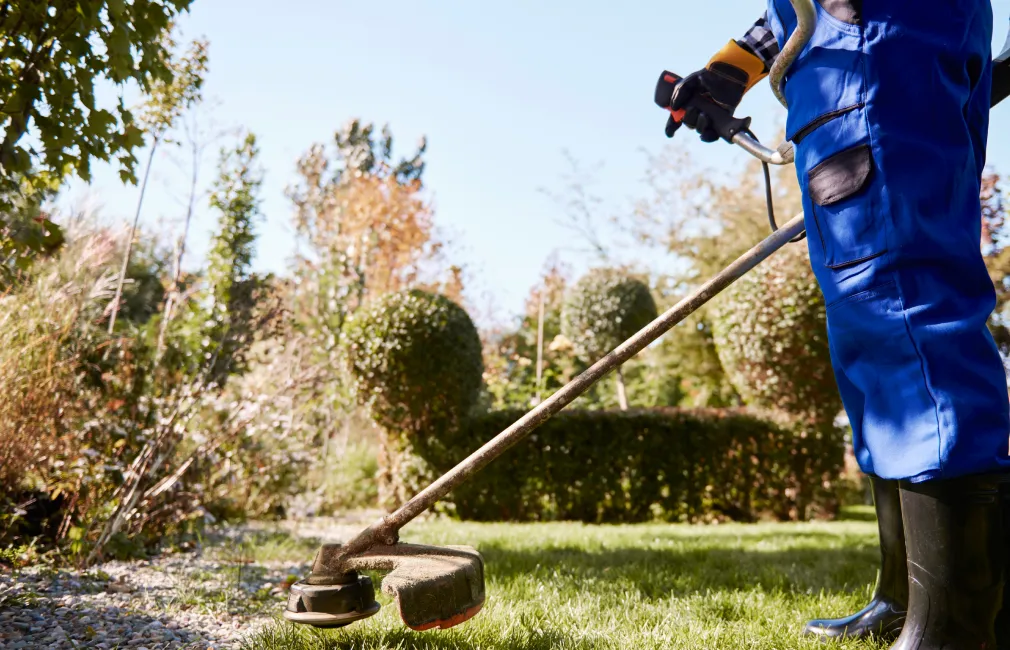
- String trimmer edging is appropriate for bed borders and curved landscape edges but produces less precise lines and generates more scattered debris
- Bed-edge trenching along planting beds should maintain a depth of roughly two to three inches to deter stolon encroachment without undermining root zones of adjacent ornamental plantings
- Edging should be performed when soil is moist but not saturated—typically the morning after an irrigation cycle rather than immediately following heavy rainfall—to reduce soil displacement and trench collapse
- All edging debris, including soil strings and turf fragments, should be swept or vacuumed from hardscape surfaces and collected rather than blown into swales or storm drains
The UF/IFAS Gardening Solutions – Lawns portal offers additional species-specific maintenance calendars that help property managers align edging schedules with mowing and irrigation cycles for optimal turf health.
Charlotte County Public Works Engineering
Official Website: Charlotte County Public Works Engineering
Property owners who notice drainage changes after edging work near swales or driveway aprons should contact Charlotte County Public Works Engineering to confirm that grade profiles remain within acceptable tolerances.
What Neighborhoods Do We Serve Throughout Harbour Heights, FL?
- Harbour Heights proper – This core census-designated area features a mix of older platted lots with mature St. Augustinegrass lawns and sandy soils that require consistent edging to prevent stolon encroachment along aging sidewalks and driveways.
- South Harbour Heights – Properties closer to the Myakka River corridor often sit on lower-elevation lots with higher water tables, making wet-season edging timing critical to avoid soil displacement and swale disruption.
- Whispering Pines – This residential area includes lots with mixed sun and shade exposure from mature pine canopy, where bahiagrass edges tend to thin unevenly and require careful technique to avoid scalping.
- Harbour Heights East – Subdivisions east of US-41 feature larger lot sizes with extended driveway frontages and open swale drainage systems that demand debris management during every edging cycle.
- Deep Creek – Adjacent to Harbour Heights, Deep Creek's canal-laced layout and HOA-governed communities require edging services that respect both association appearance standards and canal-bank buffer protections.